
Ready to streamline healthcare?
Discover how our platform transforms operations. Book a free 30-min consultation to see it in action.

What is a CBC Test? Simplifying Your Complete Blood Count Results
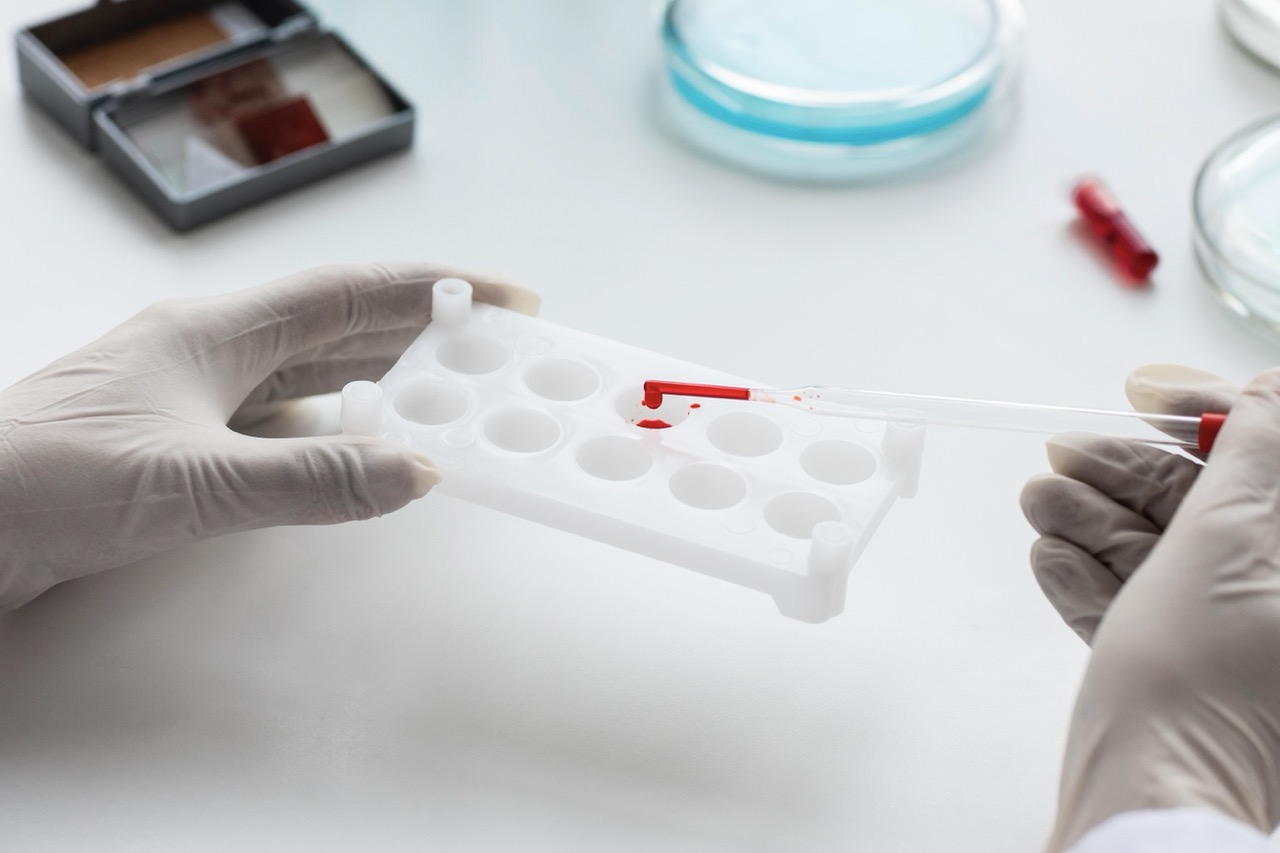
Understanding the Test That Looks Inside Your Health
The Complete Blood Count, or CBC, is one of the most common diagnostic tests ordered by healthcare providers. Despite its common usage, the results page can often look like a confusing mix of abbreviations, numbers, and scientific terms.
At Group K Diagnostics, our mission is to cut through the confusion. Think of the CBC as a snapshot of your body's essential components. It is a simple blood test that provides crucial information about the three main types of cells circulating in your blood: Red Blood Cells (RBCs), White Blood Cells (WBCs), and Platelets.
What the CBC Actually Measures
The CBC is much more than a simple count; it provides details on the size, amount, and health of the cells in your blood.
The Three Pillars of Your Blood Test
- Red Blood Cells (RBCs) & Oxygen Transport
- RBC Count: The total number of cells that carry oxygen from your lungs to the rest of your body.
- Hemoglobin (Hgb): The protein inside RBCs responsible for transporting that oxygen. Low levels often signal anemia.
- Hematocrit (Hct): The percentage of your total blood volume made up of RBCs.
- MCV (Mean Corpuscular Volume): Measures the average size of your red blood cells, which helps determine the cause of an abnormal count.
- White Blood Cells (WBCs) & Immune Defense
- WBC Count (Total Leukocytes): The total number of cells responsible for fighting infection and responding to inflammation.
- WBC Differential: A breakdown of the five major types of WBCs (Neutrophils, Lymphocytes, Monocytes, Eosinophils, and Basophils). This detailed look helps pinpoint the specific type of immune reaction occurring in the body (e.g., bacterial infection versus allergy).
- Platelets (PLTs) & Clotting
- Platelet Count: Measures the cells responsible for helping your blood clot and stopping bleeding.
Why Does My Doctor Order a CBC?
A CBC is a versatile tool used for screening, diagnosis, and monitoring.
- Routine Health Check: It's often part of an annual physical to check on your overall health and look for underlying conditions before symptoms even appear.
- Diagnosing Symptoms: If you're experiencing fatigue, fever, bruising, weakness, or unexplained inflammation, a CBC can help identify the root cause, such as anemia or infection.
- Monitoring a Condition: It is used to keep an eye on ongoing chronic conditions that affect blood cell counts, such as certain blood disorders, autoimmune diseases, or cancer.
- Checking on Treatment: Your doctor may use a CBC to see how your body is responding to certain medications or treatments (like chemotherapy) that can impact blood cell production.
Interpreting Out-of-Range Results
It is important to remember that abnormal results do not automatically mean you have a serious illness. Many factors—including hydration, recent activity, medications, and a menstrual cycle—can temporarily affect your counts.
Red Blood Cell Indicators
- Low RBC, Hgb, or Hct: This often points to Anemia, which could be due to iron deficiency, blood loss, or vitamin deficiency. A key symptom to look for is persistent fatigue.
- High RBC, Hgb, or Hct: This can be a sign of dehydration, or it may indicate conditions that cause your body to increase red cell production, such as certain heart or lung diseases.
White Blood Cell Indicators
- Low WBC Count (Leukopenia): This can be caused by a medical condition that destroys WBCs, bone marrow issues, or can be a side effect of certain medications.
- High WBC Count (Leukocytosis): This most commonly indicates an ongoing infection or inflammation in the body. It can also point to immune disorders or high stress levels.
Platelet Indicators
- Low Platelet Count (Thrombocytopenia): This increases your risk of bruising or bleeding. Causes may include certain medications or conditions like an enlarged spleen.
- High Platelet Count (Thrombocytosis): This is often related to severe inflammation, iron deficiency, or sometimes a potential issue within the bone marrow.
Next Steps for Action
If your results are outside the expected range, talk to your provider. They will use the results of the CBC along with your medical history and physical exam to determine the next appropriate step.
- Ask for Clarification: Don't hesitate to ask your provider why a number is low or high, and what specific follow-up tests they recommend.
- Use the Expert Pathway: If you need further clarification on what the results might mean before your follow-up appointment, use our Find a Specialist directory to connect with a diagnostic professional.
Group K Diagnostics is a health-support platform focused on simplifying the diagnostic process.